
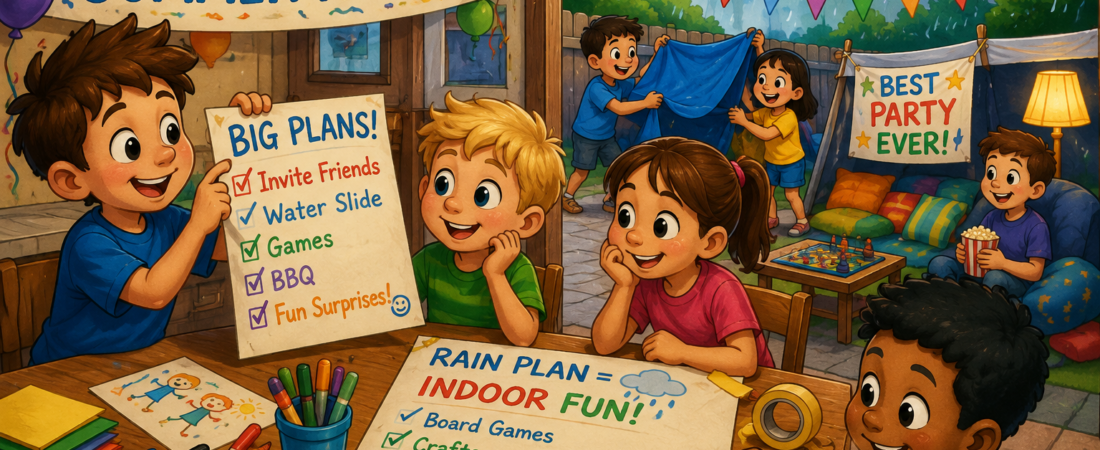
A cardboard box can be a pirate ship before breakfast. A blanket over two chairs can become a secret clubhouse by lunchtime. For young children, the ordinary things around the house are often the beginning of BIG plans. Picture books about imaginative play celebrate that happy, make-believe magic while giving families a cozy reason to put away the screens and read together.
The best stories do not need a faraway kingdom or a giant dragon to feel exciting. They show children that a rainy day, a backyard, a family room, or a car ride can hold an unforgettable adventure. For parents and caregivers, that is a gentle reminder worth sharing: creativity is not something children have to earn, buy, or schedule. Sometimes it starts with a funny idea and a pile of couch cushions.
Why Picture Books About Imaginative Play Matter
Imaginative play helps children try on new roles in a safe, joyful way. One moment they are a brave explorer crossing the living room jungle. The next, they are a chef serving pretend pancakes to every stuffed animal in sight. Through play, children practice problem-solving, storytelling, cooperation, and the wonderfully important skill of seeing more than one possibility in a simple object.
A picture book can help that spark catch fire. Colorful illustrations offer a starting point, but the child listening to the story fills in the rest. What would they pack for the adventure? Where would the blanket fort lead? Which friend would be the captain of the cardboard rocket? Those little questions turn reading from a quiet activity into a shared game.
For families hoping to create more screen-free moments, imaginative stories are especially useful. They do not lecture children about putting down a device. Instead, they give them something more inviting to do. A cheerful story about indoor play can make a child look around the room with fresh eyes and say, “Let’s build one!”
What Makes an Imaginative Play Book a Favorite?
Not every make-believe story connects in the same way. Some children love silly surprises and grand pretend adventures. Others prefer stories that begin with familiar moments, like being stuck inside on a rainy afternoon or trying to entertain a friend during a sleepover. The right choice depends on the child, but a few qualities often make a book one families reach for again and again.
Familiar settings make the adventure feel possible
When a story begins in a kitchen, bedroom, backyard, beach house, or neighborhood park, children can recognize themselves in it. That recognition matters. They do not just watch the characters have fun. They begin to imagine their own version of the fun.
A family vacation can become a treasure hunt. A trip to the beach can turn into a day of sandcastle engineering, kite flying, and collecting mysterious shells. An ordinary party can be the greatest party ever when friends bring energy, kindness, and a willingness to join the game.
Illustrations leave room for children to wonder
Detailed, colorful art gives young readers plenty to notice on the first read and even more to find on the tenth. Look for pictures with playful background details, expressive characters, and familiar objects used in unexpected ways. A laundry basket might become a race car. Pillows may form a mountain range. A child can spot those details and carry the idea into their own play.
There is a small trade-off here. Busy illustrations can delight a child who loves searching for funny clues, but they may overwhelm a child who prefers a calmer page. For a preschooler, clear scenes and expressive faces are often more engaging than pages packed with too much action. For older picture-book readers, a few extra visual jokes can make repeated reading even more fun.
Rhymes and repeated phrases invite children in
Rhyming picture books are made for read-aloud time. A lively rhythm helps children anticipate what comes next, repeat a favorite line, and join the story even before they can read independently. The sound of the language becomes part of the play.
The strongest rhymes feel natural when read aloud. They should move the story forward, not make the reader stumble over an awkward phrase just to reach a rhyme. A good test is simple: if a child asks for it again at bedtime, then starts saying the funniest lines during the day, the book has found its rhythm.
The emotional message stays gentle
Make-believe books can carry meaningful lessons without turning playtime into a lecture. Perhaps a character learns to include a sibling in the game, adapts when a plan changes, or discovers that a friend has a different idea that makes the adventure even better. These are real childhood moments, told with a little extra sparkle.
The message works best when children can see it happen. A character who shares the captain’s hat, takes turns choosing the next game, or finds a creative solution after a disappointment gives young readers a model they can understand. The fun comes first. The kindness stays with them afterward.
Turning Story Time Into Play Time
You do not need craft supplies, a detailed plan, or a perfectly tidy house to extend a book beyond its last page. In fact, too much preparation can take away from the spontaneous fun. A story about a pretend adventure is often enough to get children started.
After reading, ask one open-ended question: “What could this room become?” Give children a little time to answer. They may need a quiet pause before the ideas arrive. If they say “a spaceship,” follow their lead. A few chairs in a row, a paper-towel-tube telescope, and a snack packed for the crew may be all they need.
For children who are unsure how to begin, offer a small invitation rather than a full set of instructions. You might suggest making tickets for a pretend train ride, setting up a stuffed-animal picnic, or drawing a map to hidden treasure in the backyard. Then step back when you can. Children often create their most memorable games when adults provide encouragement without taking over.
Reading can also become a sweet family routine before a trip, party, or rainy weekend. Choose a story that matches what is coming up, then let the book set the mood. Before a beach vacation, read about seaside adventures and talk about what everyone hopes to do. Before a long car ride, imagine the silly places the family might visit along the way. Anticipation is part of the adventure too.
Choosing Books for Different Ages and Personalities
For ages 3 to 5, choose simple plots, warm humor, clear illustrations, and language that is easy to repeat. Children at this age often enjoy stories about pretend animals, familiar household objects, and small problems that work out happily. They may want to act out the book immediately, so keep a few pillows, scarves, or stuffed animals nearby.
For ages 6 to 8, look for a bit more story momentum. They may enjoy a character who has a plan, faces a surprise, and figures out a creative way forward. They also notice friendship dynamics more deeply. A story about working together to build a fort, plan a party, or rescue a make-believe mission can lead to thoughtful conversations as well as laughter.
Coby’s Adventures fits naturally into this kind of family reading. Its rhyming stories find adventure in the places children already know, from screen-free indoor fun to summer celebrations and Cape Cod family trips. The message is never that everyday life needs to be more spectacular. It is that a child’s imagination can make an everyday moment feel spectacular already.
The next time the weather changes your plans or a child sighs, “There’s nothing to do,” try placing a picture book within reach. Read it slowly, notice the playful details, and leave a little space afterward for an idea to grow. The greatest adventure may be waiting in the box headed for the recycling bin.