A cardboard box becomes a race car. A couch cushion becomes a tiny mountain. For a preschooler, ordinary moments are already filled with BIG plans. A preschool reading guide should make room for that kind of imagination, not turn story time into a lesson with a right answer.
The best early reading experiences are warm, repeatable, and a little bit silly. They happen in a favorite chair, on the edge of a bed, or while a child points excitedly at a picture and announces what they think will happen next. Books help children hear new words and notice story patterns, but they also offer something just as valuable: a peaceful chance to be close to the people they love.
What Preschoolers Need From Story Time
Preschoolers do not need to sit perfectly still or understand every word on a page. They need stories that invite them in. Colorful illustrations give them clues about what is happening. Rhymes and repeated phrases let them join the reading before they can read independently. Familiar situations help them say, “That happened to me!”
This is why a simple story about a beach day, a car ride, indoor play, making a new friend, or planning a summer party can feel enormous to a young child. The setting may be ordinary to an adult, but the feelings are not. A child may recognize the excitement of trying something new, the worry of being left out, or the pride of finding a creative solution.
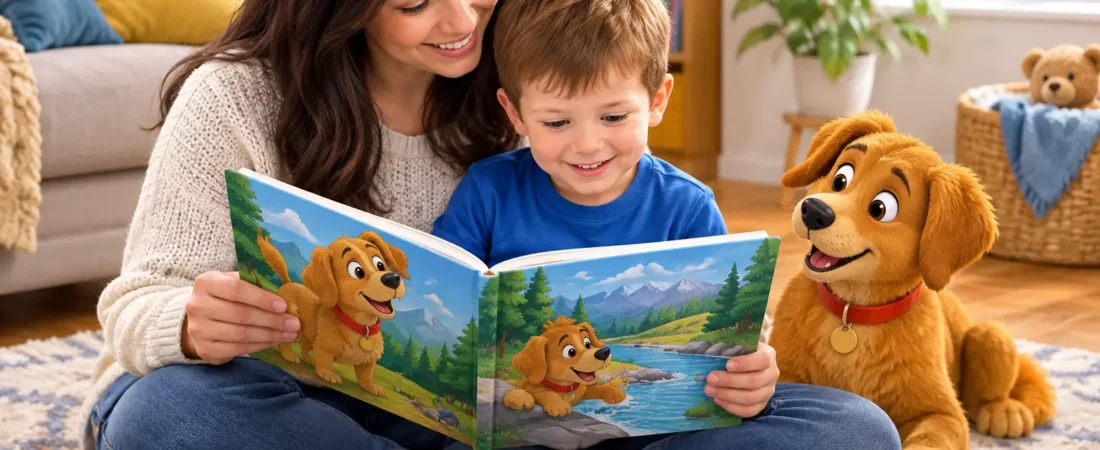
Read-aloud time also works best when it feels like shared fun rather than a performance. Some days your child will listen to every page. On other days, they may flip ahead, ask a completely unrelated question, or bring a stuffed animal along for the story. That is still reading time. Connection comes first.
Preschool Reading Guide: Start With a Small Routine
A reading routine does not need a perfect schedule or a shelf full of books. Begin with a short, dependable moment that fits your family. Maybe it is one story after bath time, a book before an afternoon rest, or a few pages while dinner is finishing up. Five cheerful minutes can become a treasured habit.
Try to keep the routine easy to return to. Choose a cozy spot and let your child help select the book. If they reach for the same story again and again, that is good news. Repetition helps young children feel capable. They begin to remember the rhythm, predict what comes next, and notice little picture details they missed before.
It can help to think of a book as a familiar place your child gets to visit. The first reading is an introduction. The next reading is a reunion. By the fifth or tenth time, your child may be “reading” parts of it right along with you.
Let the Pictures Lead Sometimes
Before you read the words, take a slow look at the cover. Ask what your child notices. Is someone packing for a trip? Is there a big splash waiting at the beach? Does a character look excited, puzzled, or proud?
During the story, pause only when it adds to the fun. You might point to a small detail and say, “I wonder where that kite is going,” or ask, “What would you bring on this adventure?” These questions build comprehension, but they should not interrupt the story on every page. Let the rhythm carry you when your child is happily listening.
For children who are especially energetic, picture walks can be a wonderful starting point. Turn through the pages and tell the story together using the illustrations. Then read the text afterward, or save it for another time. There is more than one way to enjoy a picture book.
Make Room for Movement and Sound
Many preschoolers listen better when their hands and bodies have something to do. A child can clap at a repeated rhyme, pretend to steer a car during a road-trip scene, or stretch their arms wide when a character sees the ocean. Movement is not a distraction when it helps the story come alive.
Rhyming books are especially inviting because children can hear the pattern and guess a missing word. Leave a playful pause near the end of a line and see whether your child wants to fill it in. If they choose a funny word instead of the printed one, laugh and keep going. Their imagination is working.
Questions That Keep Reading Joyful
The goal is not to quiz your child. A good question opens a door to conversation, whether they answer with one word, a long tale, or a shrug. When a story feels familiar, try questions like these:
- “What do you think will happen next?”
- “Which part would you want to try?”
- “How do you think that character feels?”
- “What does this picture remind you of?”
If your child does not want to answer, simply share your own thought. “That water slide looks fast!” is enough to invite a response without pressure. The most meaningful conversations often pop up after the book is closed, while your child is building with blocks or getting ready for the next part of the day.
When Your Child Will Not Sit for a Whole Book
A wiggly listener is not a failed reader. Preschoolers are still learning how to focus, and their attention can change from day to day. If a book feels too long, read a few pages and stop at a natural moment. You can return tomorrow.
It also helps to choose books with clear pictures, lively language, and a story that moves forward. A complicated plot may be better for later, while a younger child may happily follow a simple adventure from one exciting moment to the next. Shorter books can build confidence, but longer picture books can work beautifully when the subject truly interests your child.
Follow the child, not a rule. One preschooler may want to hear the whole story while curled up beside you. Another may act out every page across the living room. Both are discovering that books can be enjoyable.
Choose Stories With Heart and Replay Value
When adding to a preschool bookshelf, look for books that offer more than a quick distraction. Strong read-aloud choices have language that sounds good out loud, illustrations worth lingering over, and characters who face feelings children recognize. A gentle takeaway about friendship, flexibility, kindness, or trying again can stay with a child long after story time.
It is also worth choosing stories adults will enjoy reading more than once. Your voice is part of the experience. When you are amused by a rhyme, curious about a picture detail, or touched by a family moment, your child feels that enthusiasm.
Coby’s Adventures was created for these shared moments. The wholesome, rhyming picture-book series finds adventure in places children already know: a backyard full of possibilities, a lively summer gathering, a family drive, a Cape Cod beach, and screen-free play that gets wonderfully creative. In Coby Unplugged, everyday indoor time takes an imaginative turn. In the Cape Cod stories, travel, sand, sea, and family memories offer plenty to talk about together.
These are stories made for pointing, guessing, giggling, and returning to again. They remind children that an unforgettable adventure does not always need faraway magic. Sometimes it begins with family, a new idea, and the willingness to join in.
Let Books Continue After the Last Page
A story can gently inspire the rest of the day. After reading about a beach trip, children might draw their own shoreline, make a paper sailboat, or tell you what they would pack for an outing. After a story about unplugged play, a blanket fort or cardboard creation may suddenly become the greatest plan ever.
There is no need to turn every book into an activity. Sometimes a cuddle and a quiet “read it again” are plenty. But when a child carries a story into play, they are making it their own. That is one of the sweetest signs that a book has found a home.
For colorful paperback adventures that invite this kind of family reading, visit Ken Frank’s bookstore on Books.by. Each Coby’s Adventures paperback is available there for $14.95, offering the best value compared with $19.95 editions available through Amazon and Barnes & Noble.
Keep a book within easy reach this week. When a child brings it over with eager hands, the next great adventure may begin with nothing more than a page turned together.